
South Shore Home Styles: Cape, Split, Colonial
December 4, 2025
December 4, 2025
Shopping in Amityville and wondering which South Shore home style fits your life best? Between Cape Cods, Split or Hi‑Ranches, and Colonials, each layout lives differently, especially in a coastal village where basements, lower levels, and salt air matter. You want a home that feels right now and holds value later, with clear expectations for upkeep. This guide breaks down how each style functions day to day, what to watch on tours, and how coastal conditions shape maintenance and renovation choices. Let’s dive in.
What you see: A 1 to 1.5 story house with a steep side‑gabled roof. Many have dormers to bring light and headroom upstairs. Older examples lean symmetrical, while later versions may be asymmetrical with an attached garage.
Typical layout:
How it lives: Capes feel efficient and comfortable. The compact footprint can be easier to heat and cool. Upstairs bedrooms are cozy, though sloped ceilings limit furniture placement and closet space. Stairs to bedrooms mean you will plan around mobility needs.
Renovation and resale notes: Buyers love the curb appeal. Popular upgrades include adding or enlarging dormers for better headroom, a rear addition to expand the kitchen or create a family room, and improved attic insulation. Pay attention to roof age, dormer flashing, and window condition.
What you see: Split‑levels use multiple short stair runs to stagger two or three floors. A classic tri‑level has an entry between an upper and lower level. Hi‑Ranches, also called raised ranches, have a main living level above a lower level with garage and bonus space.
Typical layout:
How it lives: You get distinct zones for living, sleeping, and recreation. This separation can add privacy and quiet. Multiple short stair runs can be challenging for strollers or mobility concerns. Lower levels need careful attention to natural light and moisture.
Renovation and resale notes: Opening sightlines between levels helps modernize. Many owners convert a portion of the lower level into a suite, office, or playroom. In coastal areas, confirm foundation drainage and lower‑level moisture control.
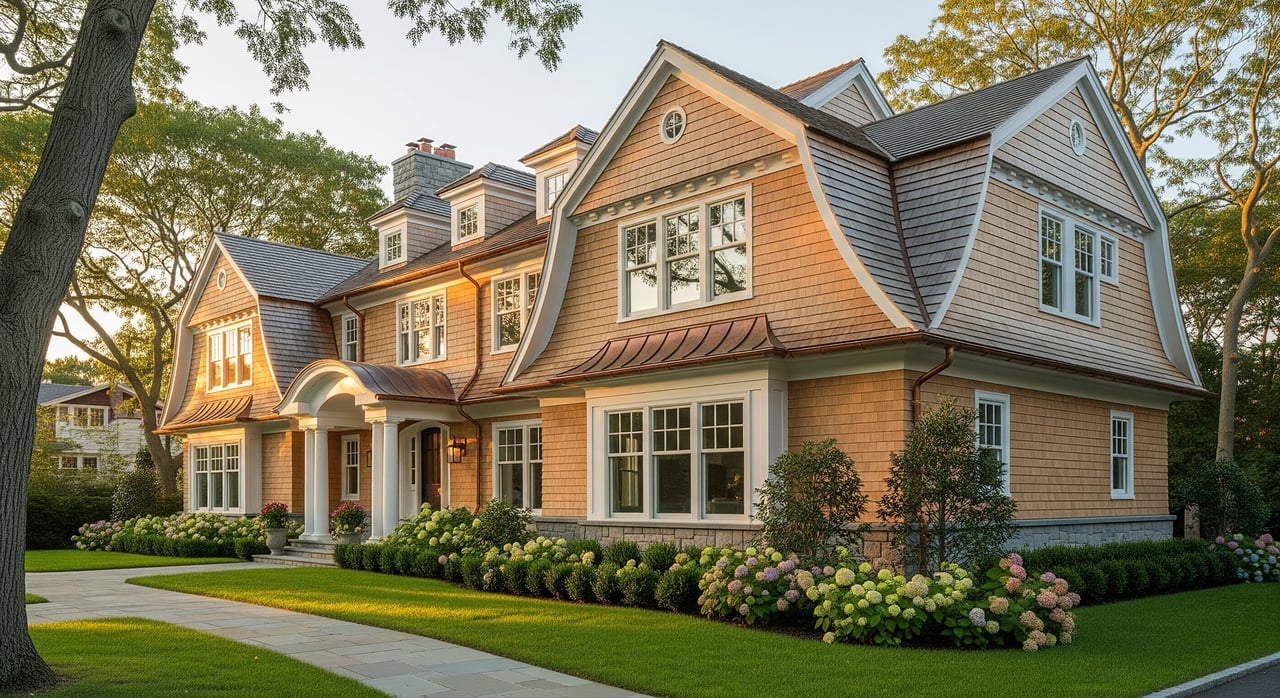
What you see: Two full stories with a rectangular footprint. Traditional facades center the front door. Many suburban versions include an attached garage and more open first‑floor spaces.
Typical layout:
How it lives: Colonials offer predictable circulation with all bedrooms upstairs and social spaces downstairs. They are easy to expand with rear bump‑outs and kitchen enlargements. Stairs to bedrooms can be a factor if you want single‑level living unless a first‑floor bedroom exists.
Renovation and resale notes: Broad appeal helps Colonials hold value. Many owners update mechanicals, enlarge kitchens, and add insulation and energy upgrades over time.
Use these questions on your next tour:
Salt air and wind accelerate wear. Painted wood siding needs regular attention, while vinyl and fiber‑cement reduce painting frequency but still need proper flashing and corrosion‑resistant fasteners. Roofs face extra stress from wind and salt, so check shingle age, ridge and valley flashing, and ventilation. Decks and rails last longer with pressure‑treated or composite materials and marine‑grade hardware.
Water finds the weak spots. Look for efflorescence on foundation walls, musty smells, sump pumps, and stains that hint at past moisture. Lot grading, gutters, and downspouts should move water away from the house. In split or raised ranch homes, confirm that lower‑level living areas have proper egress, vapor barriers, and that mechanicals are elevated in flood‑prone locations.
Many mid‑century homes still have oil heat, though natural gas lines have expanded in the region. Heat pump retrofits are increasingly common for efficiency. Electrical panels in older homes may be 100 amps and could need upgrading for modern loads. Watch for older galvanized plumbing that can restrict flow and plan for copper or PEX where needed.
Metal fasteners, railings, and outdoor HVAC coils corrode faster in salt air. Choose corrosion‑resistant materials. Wood‑destroying insects can occur, so a wood‑destroying insect inspection is wise. Coastal humidity can cause condensation in attics and basements, so ensure good attic ventilation, vapor control, and dehumidification.
Before you buy or renovate, confirm the property’s flood zone and base flood elevation. The FEMA Flood Map Service Center provides parcel‑level maps and elevation data. Flood insurance can come through the NFIP or private markets, and requirements vary by zone and elevation. In higher wind areas, consider window and door wind ratings and reinforced garage doors.
Use this 15‑minute pass on any Cape, Split, or Colonial:
Before you plan additions or garage conversions, verify zoning, setbacks, and permit needs with the Village of Amityville building department. If the property is near tidal bays or creeks, check its flood zone and ask whether an elevation certificate is available or needed. The FEMA Flood Map Service Center is a good starting point for risk and insurance planning.
If you want to improve comfort and efficiency, look into New York State incentives through NYSERDA and federal programs summarized by the U.S. Department of Energy. Incentives can help with insulation, air sealing, and heat pump systems. Always confirm current eligibility and availability before you budget.
Style influences how buyers experience space. Capes market well with charming curb appeal and smart dormer additions. Split and Hi‑Ranch homes appeal to buyers who want distinct zones and flexible lower levels. Colonials draw broad interest and often justify upgrades like kitchen expansions that show well online and in person.
Your pricing and prep should reflect coastal realities. Address roof condition, moisture management, and energy updates that matter to South Shore buyers. A clear plan for permits and any lower‑level improvements builds confidence and can support stronger offers.
Ready to make a move with a data‑driven plan and local insight across the South Shore? Connect with Elpis Hardiman for guidance, pricing strategy, and a seamless path from listing to closing.
Stay up to date on the latest real estate trends.
As a full-time, experienced real estate agent, she is highly knowledgeable about the areas she serves. Her expertise ensures smooth and enjoyable transactions for her clients!
Elpis Hardiman
5066 SUNRISE HWY MASSAPEQUA PARK NY 11762