
Massapequa Park Neighborhood Guide: Life in the Village
February 5, 2026
February 5, 2026
Thinking about a South Shore move and wondering what daily life in Massapequa Park really feels like? You want a friendly, walkable village near the bay, with reliable commute options and plenty of parks. In this guide, you’ll get a clear look at housing, transportation, outdoor recreation, schools, shopping, and the practical costs to expect. You’ll also find trusted resources to check details for your specific home search. Let’s dive in.
Massapequa Park is an incorporated village within the Town of Oyster Bay on Long Island’s South Shore. The community sits near South Oyster Bay and neighbors the hamlet of Massapequa. Village services include local code enforcement and a village police department, while broader services run through town and county agencies.
The village population is around 17,000 residents based on the 2020 Census. It is a mature, primarily residential suburb with mid‑20th‑century blocks and a small, walkable downtown near the LIRR. For broader context on demographics and household trends, you can review the latest tables from the U.S. Census Bureau.
You will find familiar South Shore patterns here, including single‑family homes, short drives for many errands, and easy access to beaches and the Babylon Branch of the LIRR. What stands out is the combination of a compact, walkable village center and quick access to large green spaces and preserves. That mix gives you neighborhood convenience plus open‑space breathing room that some busier corridors lack.
The Babylon Branch serves both Massapequa Park and nearby Massapequa stations. During peak hours you can catch one‑seat rides to Penn Station and Atlantic Terminal. Typical travel times range about 45 to 75 minutes depending on the train. Check current options on the MTA Long Island Rail Road.
Major east‑west routes include Merrick Road and Sunrise Highway. The Southern State Parkway and the Seaford‑Oyster Bay Expressway connect you to the Long Island Expressway and points north. Peak traffic can be heavy, so budget extra time for rush‑hour trips. For local errands, most daily destinations are a short drive.
Nassau Inter‑County Express provides bus service in the area. Schedules and routes change over time, so confirm stops and times on the NICE Bus website if you plan to connect to the LIRR or reduce car trips.
You can handle many after‑work dinners, coffee runs, and quick errands on foot near the village center and the LIRR station. Sidewalks line most residential streets. For biking, neighborhood rides and park pathways are popular. Use caution on major roads that carry faster traffic.
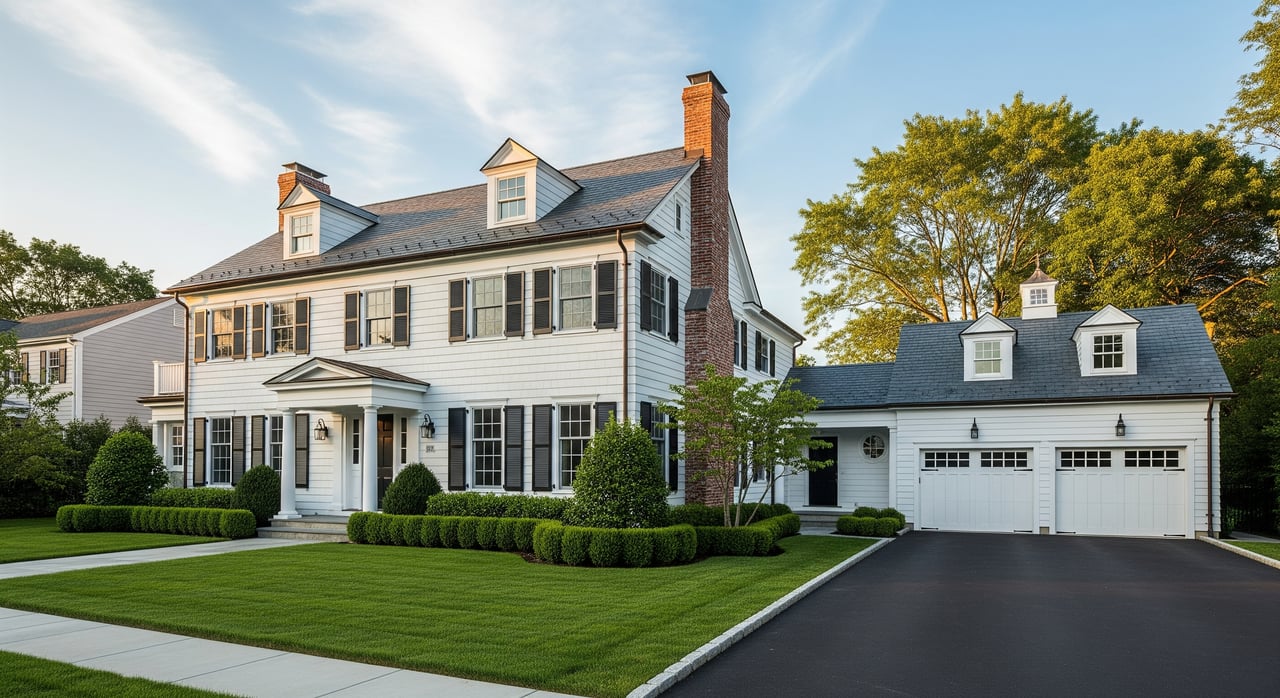
Most homes are single‑family detached houses. You will see post‑WWII ranches, split‑levels, colonials, and mid‑century bungalows. Many properties were built or expanded between the 1950s and 1970s, and renovations or additions are common as owners modernize. Lot sizes vary block to block, with some bay‑adjacent homes set on unique or smaller lots.
Turnover is steady and many homes are owner‑occupied for long periods. You will find move‑in‑ready homes along with properties that are ideal for updating. Pricing typically sits in the middle‑to‑upper range for the South Shore in Nassau County. Values shift year to year, so review recent local sales with a trusted advisor before you set your budget.
Nassau County’s property taxes are among the higher tax burdens in the country. Your bill will include village, town, county, school district, and special district line items, with school taxes often the largest component. Review the most recent tax bill for any property you consider and confirm utilities. Electric service in this area is delivered by PSEG Long Island, and water is provided by local districts. Trash and recycling are handled by village or town contracts.
Parts of Massapequa Park sit near South Oyster Bay and connected waterways. Low‑lying and waterfront properties may be in FEMA flood zones, which can trigger flood insurance requirements from your lender. To evaluate a specific address, start with the FEMA Flood Map Service Center and then review local elevation details.
To understand long‑term coastal exposure and potential scenarios, the NOAA Sea Level Rise Viewer is a helpful planning tool. Use it alongside local guidance and a licensed insurance quote.
If you plan to buy near the water, include elevation and flood‑risk review in your home inspection. Budget for potential mitigation such as flood vents or raised mechanicals. Lenders will require flood insurance in mapped zones, and premiums vary based on elevation, construction, and coverage limits.
The Massapequa Preserve adds a large greenbelt right at your doorstep. Trails, ponds, and wetlands create an easy option for morning runs, dog walks, birding, and family bike rides. It is a year‑round asset for fresh air and a quick mental reset.
A short drive brings you to Jones Beach State Park for wide beaches, a classic boardwalk, and seasonal concerts. For hours, amenities, and event updates, check the New York State Parks page for Jones Beach.
South Oyster Bay supports boating, fishing, and kayaking. Some bay‑area homes include private docks, and there are community marinas nearby. Summers are busy on the water and at the beach, while the preserves and trails provide four‑season recreation.
Much of the village is served by the Massapequa Union Free School District. Families often note a range of programs and strong community support. For objective performance data, graduation rates, and program details, review the latest NYSED report cards on the New York State Education Department site.
You will find cafes, delis, bakeries, fitness studios, and service businesses clustered around the village center and along Merrick Road. Larger shopping centers and specialty stores are a short drive away in neighboring towns. Hospitals, urgent care, and private clinics are available across Nassau County. If proximity to a specific provider matters to you, verify network and drive time during your search.
Many buyers plan to expand or renovate. Set expectations early by confirming zoning, setbacks, lot coverage, and permit timelines. Village rules and town codes govern what you can build, curb cuts and driveways, and accessory structures. For current guidance, start with the Town of Oyster Bay and your village building office.
If you want the ease of a village center, the calm of nearby preserves, and a practical commute to the city, Massapequa Park delivers a balanced South Shore lifestyle. A smart plan includes understanding taxes, commute options, renovation rules, and any coastal considerations before you buy. When you are ready for local insight and a strategy that fits your goals, connect with Elpis Hardiman for neighborhood guidance and a data‑driven path to your next home.
Stay up to date on the latest real estate trends.

As a full-time, experienced real estate agent, she is highly knowledgeable about the areas she serves. Her expertise ensures smooth and enjoyable transactions for her clients!
Elpis Hardiman
5066 SUNRISE HWY MASSAPEQUA PARK NY 11762